
In preparation for cyclone season many mines across Australia have
already formalised emergency response plans for cyclone related events
but mining safety regulators are warning that there is no place for
complacency.
The cyclone season officially started on 1 November 2018 and will run through to 30 April 2019. The Bureau of Meteorology has indicated that the probability of cyclones will be reduced due to the effects El Niño
On average, there are 10 to 13 tropical cyclones each season in the
Australian region, four of which typically cross the coast. El Niño
typically reduces the number of coastal crossings, but at least one
tropical cyclone has crossed the Australian coast each season since
reliable records began in the 1970s.
The BOM advised that “during El Niño years, the first tropical
cyclone to cross the coast is typically during the second week of
January. This is generally later than seasons which are ENSO-neutral
when the first cyclone landfall typically occurs in late December.”
DMIRS Deputy Director
General Safety, Ian Munns said it only took one cyclone to impact an
unprepared site for there to be a devastating impact.
“It is critical that mining and petroleum operators have adequate
plans and provide appropriate training to protect workers from hazards
at the workplace, including natural hazards such as cyclones,” Munns
said.
An alert developed by the DMIRS advised mining operators to develop
emergency procedures and plans in conjunction with advice from emergency
services organisations and other regional emergency planning groups
where their work sites and camps are located.
The DMIRS said in its’ cyclone safety alert that “emergency plans
should include details for making the site safe and ensuring the safety
of personnel as far as is practicable. This should include the removal
or restraint of loose objects and structures and evacuation of
personnel. The plans must be communicated to all personnel likely to be
on site during the cyclone season.”
The Department also re-iterated the need for mining sites to secure
every accommodation unit or donga and every transportable building.
Back in 2007, Cyclone George claimed the lives of Debra Till, 47, and
Craig Raabe, 42, while they sheltered in temporary accommodation dongas
South of Port Hedland.
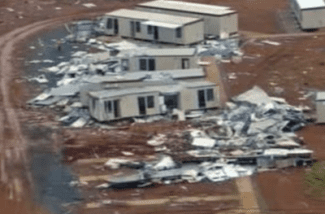
The WA State coroner found that the despite the camp being in a “cyclonic wind region”, the dongas were built using design standards that were applicable to “non-cyclonic wind areas”.
“It is hardly surprising that they were unable to withstand the
cyclonic winds to which they were subjected on 9 March 2007,” she said.
“They were not designed nor constructed to withstand such forces.” Read more on this story
The DMIRS advised that “during the Blue and Yellow Alert Cyclone
Warning phase, a safe and orderly evacuation of non-essential personnel
from work sites or camps should be considered before high intensity
cyclones pass by.
A range of preparedness issues for cyclone events at mining sites
includes management of plant, equipment, electrical issues and potential
flooding events.
Cyclone shelters can help save lives – read more on Minearc’s Storm Shelters
Australian Mining Safety News and Articles published daily for mine safety professionals. The Australasian Mine Safety Journal has created a very important niche market that specifically targets those mine safety decision makers and provides comprehensive editorial content on the current trends and activities associated with mine safety across the Asia Pacific region.
For more information about Mining Safety News and Mine Emergency Response Services visit the site : http://www.amsj.com.au/
Comments
Post a Comment